

Does Baking Soda Kill Ants?
Baking soda is a popular DIY ant remedy because it is cheap, easy to find, and less toxic than many pesticides. But it is not a guaranteed way to eliminate an ant colony. Baking soda mixed with powdered sugar may kill some foraging ants, but long-term ant control usually requires removing food and water, sealing entry points, cleaning scent trails, and using bait that reaches the colony.
Table of Contents
How to Get Rid of Ants With Baking Soda
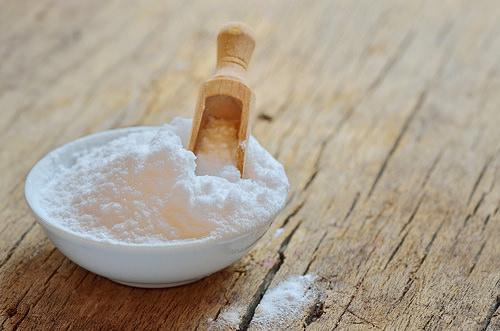
Image via Flickr by aqua.mech
Does baking soda kill ants?
Baking soda may kill some ants if they eat it, especially when it is mixed with powdered sugar as an attractant. However, it is not one of the most reliable ways to eliminate an ant colony. Ant baits are usually more effective because worker ants carry slow-acting bait back to the nest and share it with the colony. UC IPM explains that slow-acting baits work because foraging ants spread the bait through food sharing, eventually affecting ants underground and queens in the nest.
To use it for infestation prevention, you just need some baking soda. Ants know to avoid pure baking soda, so you can sprinkle it around doorways, window sills, and other entry points to keep them out of your home. You can also sprinkle some in cabinets, under sinks, and in other dark, moist places where ants may find shelter in your home.
Lower-toxicity does not mean risk-free. Keep any DIY ant mixture away from children, pets, food-prep surfaces, and areas where it can be inhaled or tracked around the home.
To use baking soda as an insecticide, you need baking soda and confectioners sugar. Ants know to avoid baking soda, but masking it with sugar will trick them into consuming the chemical and sharing it with their colony. Follow these steps to kill ants with baking soda:
- Mix equal parts confectioners sugar and baking soda in a cup. Note that you must use confectioners sugar — ants will be able to separate regular sugar from the baking soda. Depending on the type of ants you’re dealing with, you may add honey, jam, peanut butter, or another treat to make the trap more appealing.
- Sprinkle the mix around high-traffic areas where you have ants. For example, if ants are using a crack in the wall to access your kitchen, put some baking soda mix at the mouth of the opening. You should also seal the entrance once you’ve dealt with the infestation.
- Scatter the mix outside on mounds and other areas where ants may build their nests, such as stepping stones, firewood piles, and around the base of trees.
While this may help with some of your ant issues, for larger infestations it may not be enough. It does not treat the underlying issue and does not guarantee that the colony will be removed.
Is boric acid better than baking soda?
Boric acid and borax are common active ingredients in ant baits, but they should be used carefully and according to product directions. Ready-to-use bait stations are usually safer and more consistent than homemade mixtures because the active ingredient is measured and enclosed. Keep all baits away from children and pets. Iowa State Extension notes that ready-to-use ant bait products contain low concentrations of active ingredients and should still be used according to label directions and kept away from children and pets.
Baking Soda and Diatomaceous Earth
Some people stock food-grade diatomaceous earth at home to use it as a digestive aid or as a key ingredient for detoxing. Like baking soda, it’s also found in some toothpastes and deodorants and may be used in DIY cleaning solutions. It can also be used to kill ants. As with boric acid, you can add some diatomaceous earth to your sugar and baking soda recipe to make your insecticide more potent. Diatomaceous earth, while food grade variants are non-toxic, should be kept away from small children and pets to minimize adverse effects.
Why Does Baking Soda Kill Ants?
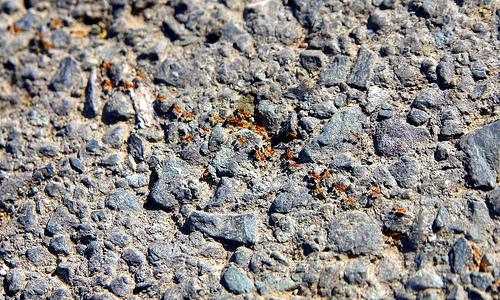
Image via Flickr by Leonid Mamchenkov
It’s nice that baking soda is an all-natural insecticide that’s safe to use around humans and pets. Thankfully, it’s also quite effective at killing ants if used properly.
Baking soda alters your pH balance. This is wonderful for humans and one of the many reasons why it’s eaten. For ants, though, the altering of their bodies’ natural chemistry is fatal. Worker ants will also carry the chemical compound back to their mounds to share with the rest of the colony, so baking soda can kill the queen and stop an infestation.
Baking Soda Alternatives
If you don’t have baking soda, you can still take care of an ant problem or insect-proof your house with an all-natural recipe using common home products. Discover a few you can try:
- Soap and water: Good for wiping up visible ants and removing scent trails, but it does not kill the hidden colony.
- Vinegar or lemon juice: May temporarily disrupt trails, but it is not a reliable colony treatment.
- Boiling water: Can be dangerous, may damage plants or soil, and may not reach the queen.
- Ant bait: Usually the better long-term DIY option because workers carry it back to the colony.
UC IPM recommends cleaning invading ants with soapy water to remove scent trails, sealing entry points with caulk, and using baits outdoors to control the colony; it also notes that sprays provide only temporary control and may not be safe indoors.
Whether you’re using it as a dietary aid or to kill insects, baking soda is a powerful chemical compound. Use it to prevent ants from entering or fix an infestation. A local pest professional can recommend other ways you can deal with an ant problem.

