
Scorpions usually enter yards looking for food, water, shade, and hiding places. If your yard has crickets, roaches, clutter, woodpiles, overgrown landscaping, or cracks around the home, it may give scorpions everything they need to settle in. The good news is that a few prevention steps can make your yard less attractive and help reduce the chances of scorpions getting inside.
Scorpions have a venomous sting and can pose a threat to the well being of you, your family, and your pets. This makes them a danger when they intrude into your yard. Protecting your family, pets, and home from scorpions is possible when you learn their behavioral traits and what attracts them to an area. Learning how to keep scorpions out of your yard will provide you with peace of mind and a safe environment.
Table of Contents
What Are Scorpions?
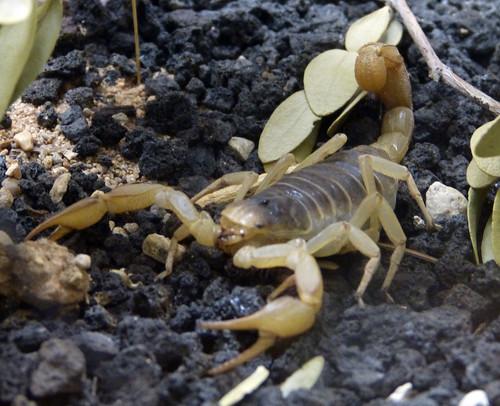
Scorpions are arachnids with eight legs, pincers, and a segmented tail with a stinger. Most scorpion stings are painful but not life-threatening, though young children and older adults are at higher risk of serious complications. In the Southwest, the Arizona bark scorpion is the main species of medical concern. Mayo Clinic notes that young children and older adults are most at risk of serious complications, and University of Arizona Health Sciences identifies the Arizona bark scorpion as the only dangerous scorpion species in North America.
Why scorpions come into yards?
Scorpions are usually drawn to yards that provide food, water, and shelter. Crickets, roaches, spiders, nighttime insects, irrigated landscaping, woodpiles, rocks, debris, and cracks around walls or foundations can all make a property more attractive. Texas A&M’s IPM guidance notes that nighttime lighting can attract insects, which can provide a food supply for scorpions, and that bark scorpions hide under bark, stones, plant material, and other objects on the ground. During the day, scorpions usually hide in dark, protected places such as under rocks, boards, logs, potted plants, patio debris, door mats, cracks, block walls, and other tight spaces. Bark scorpions can also climb rough vertical surfaces, which is one reason they may be found on walls, fences, trees, or inside homes.
How to Keep Scorpions Out of Your House
When you have scorpions in your yard, you are likely to have them in your house, as well. The best way to keep them out is to eliminate the bugs they are preying on. If you take care of all the other pests that may be appealing to scorpions, they won’t have a reason to be in your house and will move back outside to seek sustainable food sources.
Scorpions also need water and will invade your private space in search of water sources. Leaky faucets or pipes and other moisture issues in your home should be fixed to deter all manner of pests from seeking refuge inside. You will also need to find any areas of your foundation that have cracks, crevices, or holes where scorpions can find their way inside and seal them all off.
How to Get Rid of Scorpions Naturally
The use of essential oils has been said to keep scorpions away. The different oils that are suggested to be used as a scorpion deterrent are cinnamon, lavender, cedar, and peppermint. Diluting these in a carrier oil or small amounts of water will allow you to make sprays that can be applied in scorpion trouble areas. These sprays can also be used around baseboards, doorways, windowsills, and around the foundations of your house.
Natural scorpion prevention starts with habitat reduction: remove clutter, trim vegetation, reduce outdoor moisture, seal gaps, and reduce the insects scorpions eat. Essential oils may smell strong, but they should not be relied on as the main way to keep scorpions away.
Scorpion Prevention
It is often overstated, but prevention is the best plan for keeping pests such as scorpions out of your yard. Taking preventive measures is essential for creating a safe environment for your family and pets to enjoy. A few steps you can take to make your yard less appealing to scorpions and other pests are as follows:
1. Remove hiding places
Clear woodpiles, rocks, boards, brush, yard clutter, lawn equipment, and debris where scorpions can hide during the day.
2. Trim landscaping away from the house
Keep grass short and trim trees, bushes, vines, and groundcover away from walls, windows, and the foundation.
3. Reduce insects scorpions eat
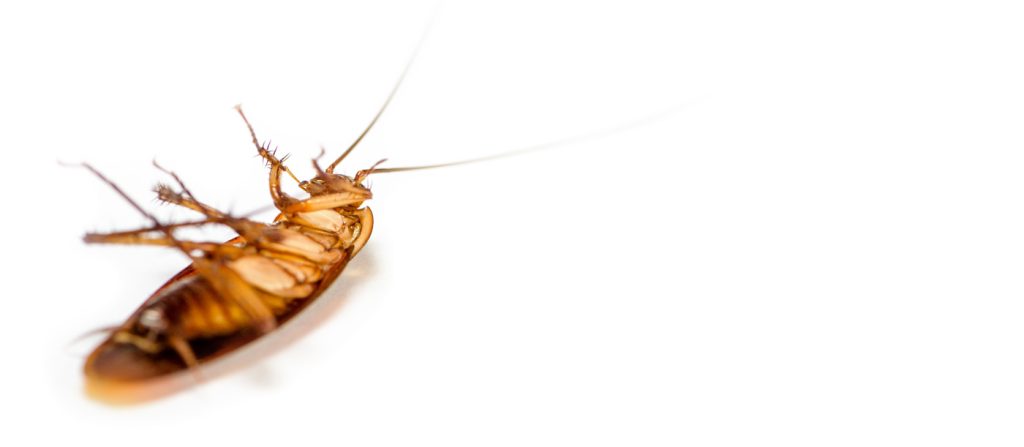
Scorpions feed on insects and other arthropods, including crickets and roaches. Reducing prey activity can make your yard less attractive.
4. Limit moisture around the home
Fix leaks, reduce standing water, and avoid overwatering near the foundation. Bark scorpions may be associated with irrigated landscapes and moisture sources.
5. Seal entry points
Repair cracks, gaps, door sweeps, weatherstripping, weep holes, and openings around pipes, utility lines, windows, and doors.
6. Check at night with a black light
Scorpions glow under black light, so nighttime inspections can help identify where they are active. Texas A&M notes that black-light inspections can help identify high-density areas and favored habitat.
7. Call a professional for recurring activity
If you keep seeing scorpions around your yard or inside your home, a pest control professional can inspect harborage areas, reduce prey insects, identify entry points, and create a prevention plan.
Scorpions can be a significant problem when they have intruded onto your property. They pose a health risk to your children, older family members, and your pets. Taking swift and appropriate actions to get rid of scorpions and keep them out of your house and yard will help to protect your loved ones. Resources such as Bulwark Exterminating have the information you need to keep your yard pest-free.
Scorpion Prevention Quick Facts
- Scorpions are nocturnal and often hide during the day under bark, stones, logs, debris, plant material, and other protected objects.
- Arizona bark scorpions can climb and may rest on walls or vertical surfaces, which makes sealing doors, cracks, and gaps especially important.
- The Arizona Poison and Drug Information Center recommends clearing debris, trash, logs, and bricks, mowing grass short, and fixing holes and cracks near the house.
- Scorpion stings can cause immediate pain, numbness, and tingling; small children are at higher risk of severe reactions.